Odisha Forestry Sector Development Society
Department of Forest, Environment & Climate Change
Goverment of Odisha

"Satoyama" is a Japanese term for landscapes that include both human production activities and natural habitats.
This initiative is based on the principle that landscapes, when properly managed, can benefit biodiversity and human livelihoods alike. Rather than being in conflict, it creates a sustainable ecosystem where human influence is an essential aspect of local ecology.
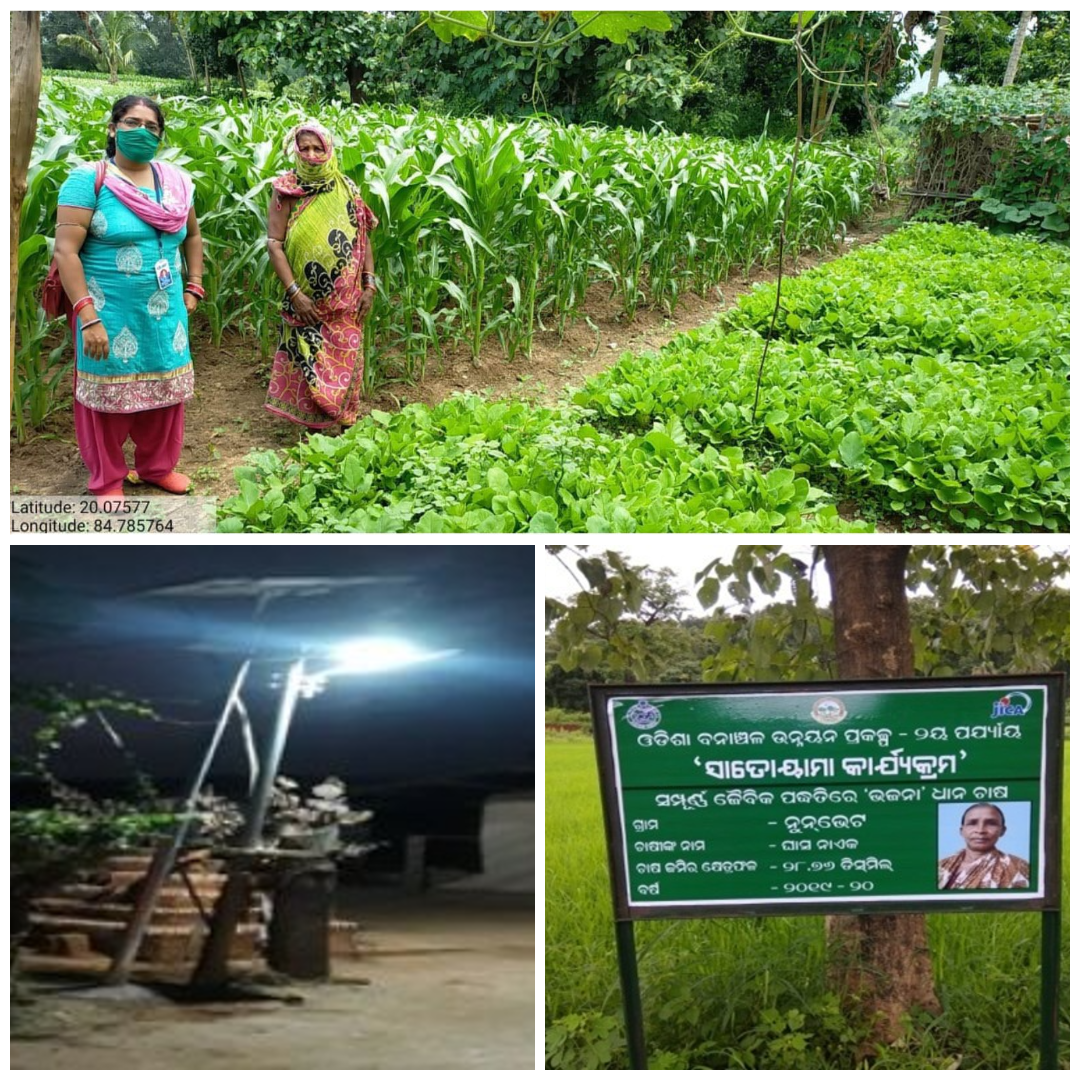
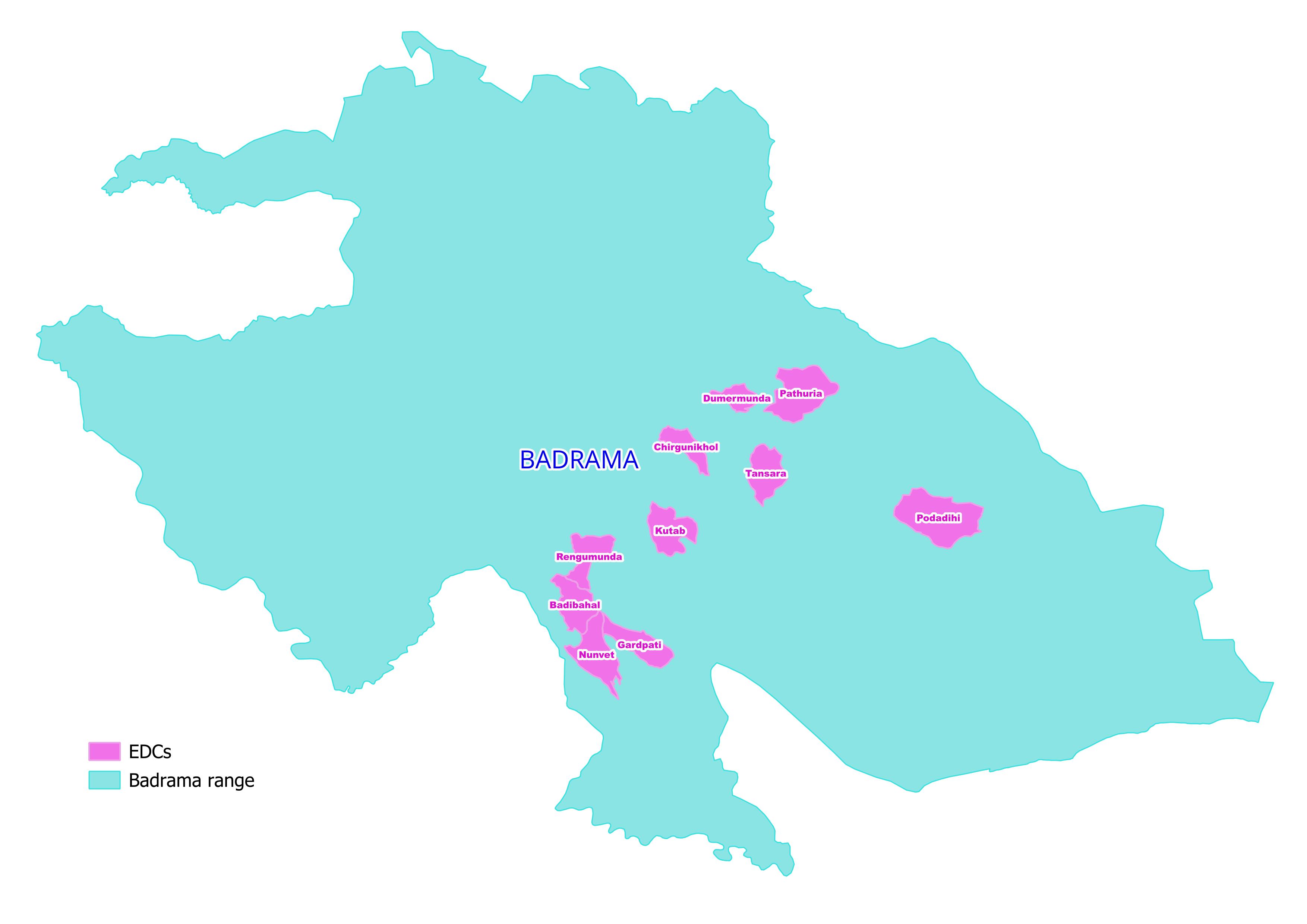
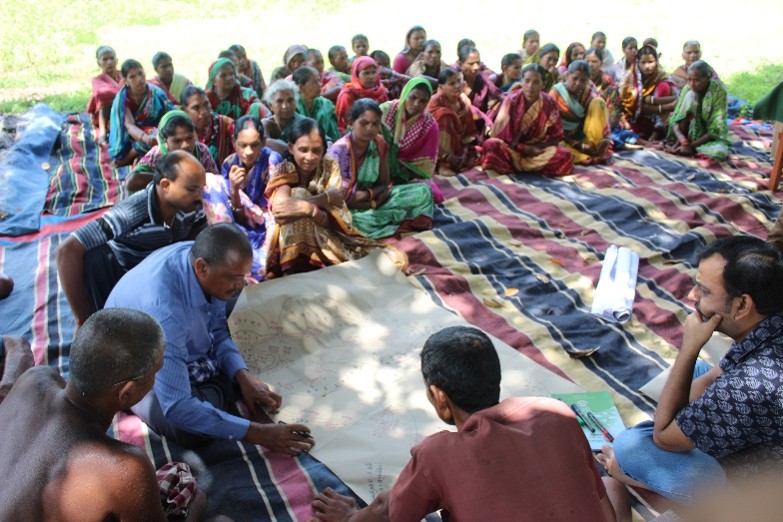
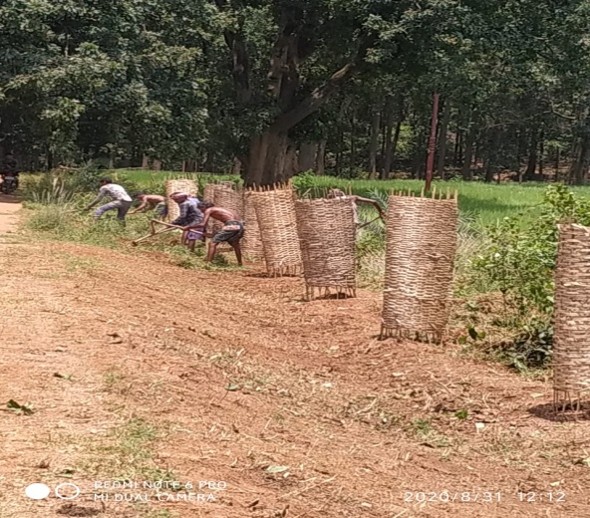
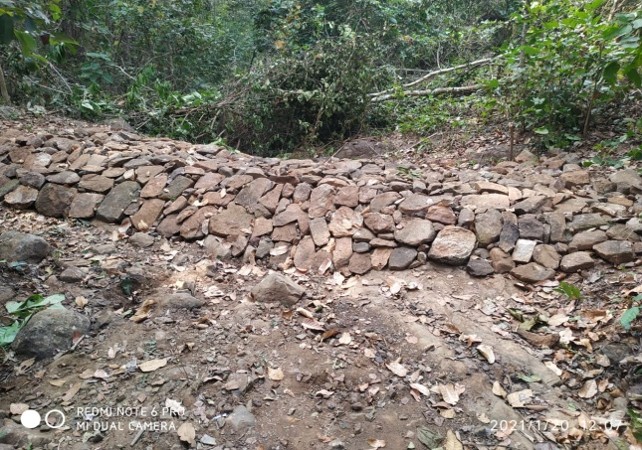
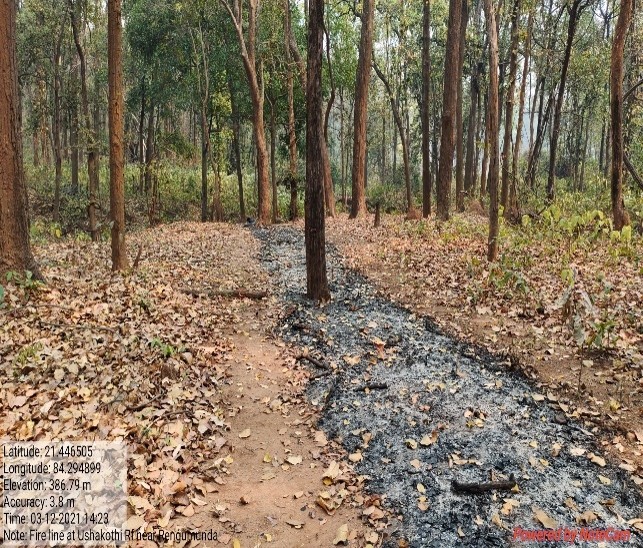
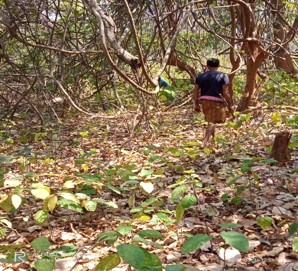
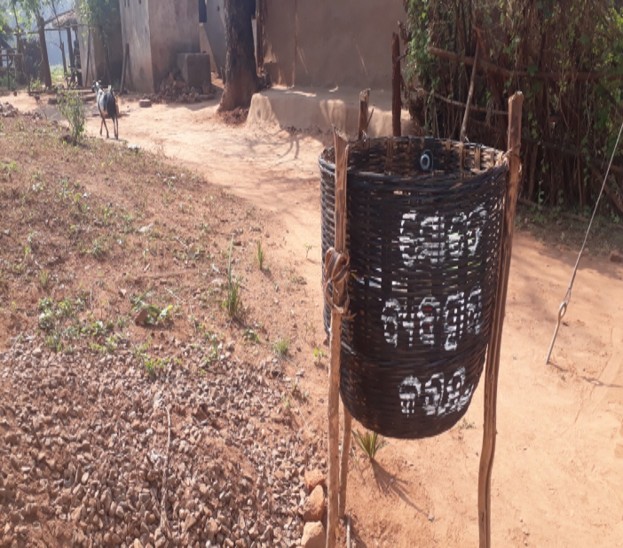
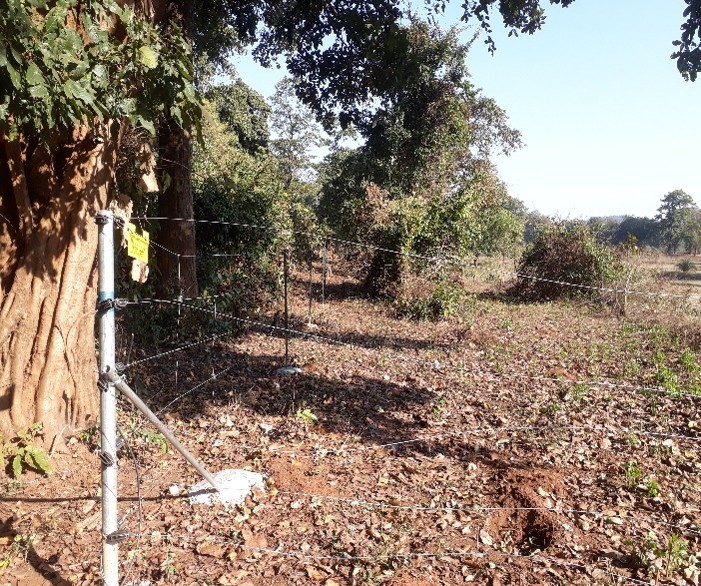
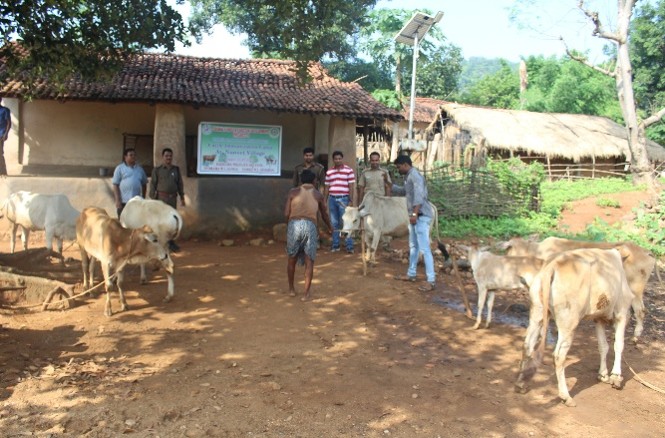
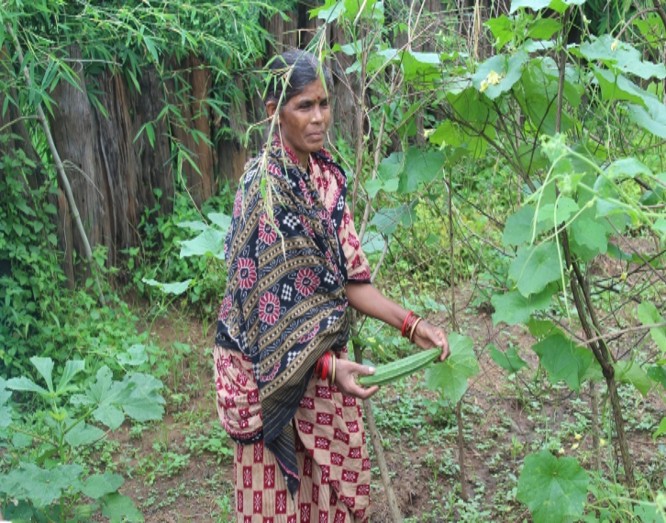
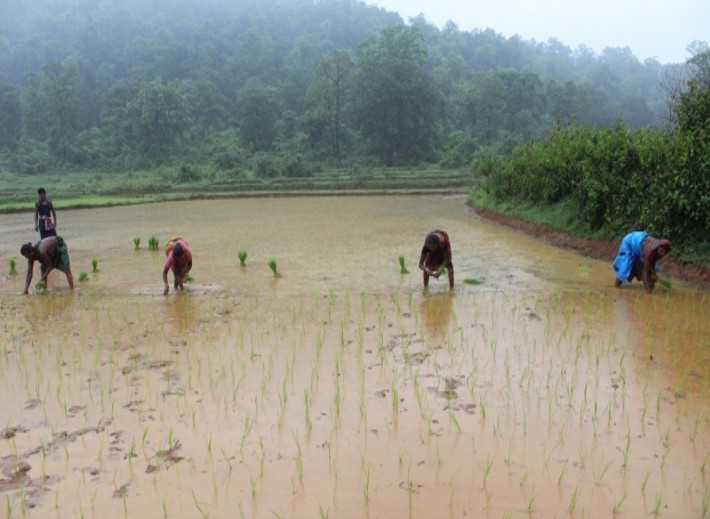
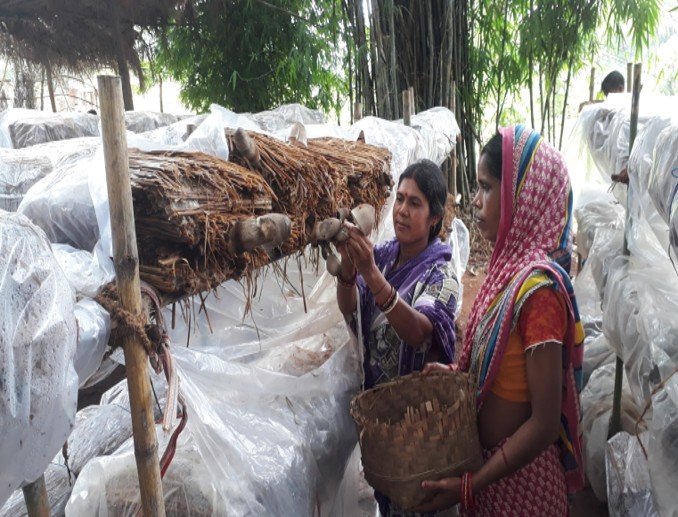
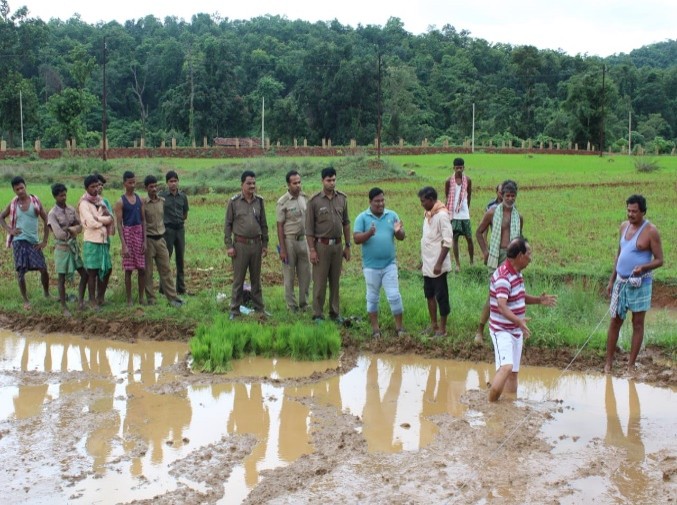
‘Satoyama’ is a Japanese socio-ecological landscape management model implemented implemented under the Odisha Forestry Sector Development Project (OFSDP-II) across 10 pilot villages in Badrama Wildlife Sanctuary. The Satoyama Initiative is a community-led conservation program focused on holistic landscape restoration and sustainable rural livelihoods. The initiative combines participatory micro-planning, native afforestation, invasive species clearance and soil-water conservation using loose boulder check dams with the revival of traditional organic farming. It simultaneously strengthens community resilience through SHG-led micro-enterprises, solar fencing for human-wildlife conflict mitigation, health camps and zero-plastic environmental campaigns.
| Village Name | Total HH | ST HH | Population | Male / Female | ST % |
|---|---|---|---|---|---|
| Rengumunda | 32 | 20 | 129 | 60 / 69 | 63% |
| Kutab | 77 | 40 | 296 | 152 / 144 | 52% |
| Sana Badibahal | 23 | 18 | 108 | 56 / 52 | 79% |
| Tansara | 68 | 65 | 271 | 130 / 141 | 96% |
| Podadihi | 51 | 49 | 204 | 88 / 116 | 96% |
| Pathuria | 68 | 52 | 251 | 123 / 128 | 77% |
| Gadapati | 25 | 25 | 101 | 53 / 48 | 100% |
| Dumermunda | 26 | 26 | 108 | 52 / 56 | 100% |
| Chirgunikhol | 40 | 35 | 177 | 90 / 87 | 88% |
| Nunvet | 77 | 54 | 307 | 147 / 160 | 70% |
| Total | 487 | 384 | 1,952 | 951 / 1,001 | 78.8% |
Socio-ecological landscape management from community planning to market integration