Odisha Forestry Sector Development Society
Department of Forest, Environment & Climate Change
Goverment of Odisha
The Odisha Forestry Sector Development Project (OFSDP) Phase-I was implemented with financial assistance from the Japan International Cooperation Agency (JICA). It was the pioneer project that established the community-driven "OFSDS model" in Odisha.
The project was executed across 11 Forest Divisions and three Wildlife Division, covering 10 districts of Odisha. Its primary focus was to restore degraded forests and improve the socio-economic conditions of forest-fringe communities through the Joint Forest Management (JFM) mode.
A Multi-dimensional Approach
Aided Natural Regeneration (ANR) and Block Plantations were carried out over 1,96,650 hectares to restore green cover.
Strengthening 2,426 Vana Surakshya Samitis (VSS) through capacity building and infrastructure development.
Formation of over 7,000 Self Help Groups (SHGs) to undertake Income Generation Activities like honey processing and leaf plate making.
Soil and Moisture Conservation (SMC) measures were implemented to improve the water table and soil health in forest areas.
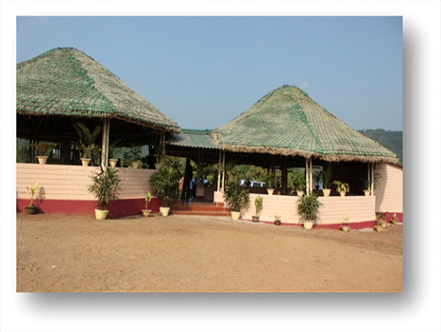
Construction of Multi-purpose Buildings (VSS Buildings) that served as community hubs for meetings and storage.
Introduction of GIS-based monitoring and independent third-party evaluations to ensure transparency.
By the end of Phase-I in March 2015, the project had successfully transformed the landscape of the target divisions.